Tag: nutrition

  • Natural Methods to Get Rid of Headaches

    We have all experienced a headache at least once in our lives. Headaches can be frustrating and painful. Knowing which natural methods can alleviate the pain may prove useful especially if you’re trying to avoid over the counter medicine. More and more people are coming to the realisation that the conventional pills come with unwanted side effects but most people feel that they don’t have any other options thus, they suffer daily.

    There are numerous reasons why headaches occur;

    1. Lack of sleep
    2. Dehydration
    3. Stress
    4. Household air quality
    5. Low Iron

    Whatever the reason, if you’re experiencing a headache, you want to get rid of it as quickly as possible. Here is a list of what can help. The only thing that I have used on the list is number 1 thus, I can’t vouch for the rest but research has shown that these natural ingredients can help. But before I delve into the list of natural ingredients and other solutions, let me explain the different types of headaches.

    1. A tension headache or stress headache is the most common type. It affects any part of the head but usually starts from the back of the head diverging to the neck, the eyes and other muscles and can be painful on both sides of the head.
    2. A migraine typically causes throbbing in one area of the head, some people also experience light and sound sensitivity and in some cases nausea. According to the American Migraine Foundation, migraines are more common in women than in men.
    3. Cluster headaches are severe but rare. This type of headache causes short one-sided pain in bouts which tend to recur over weeks or months.
    4. Rebound headache also known as medication overuse headache (MOH), is caused by the consistent use of medication treatment for migraines or headaches. Whether it’s over the counter medication or prescription, consuming too much of it can be problematic.

    Remedies that can help relieve headaches

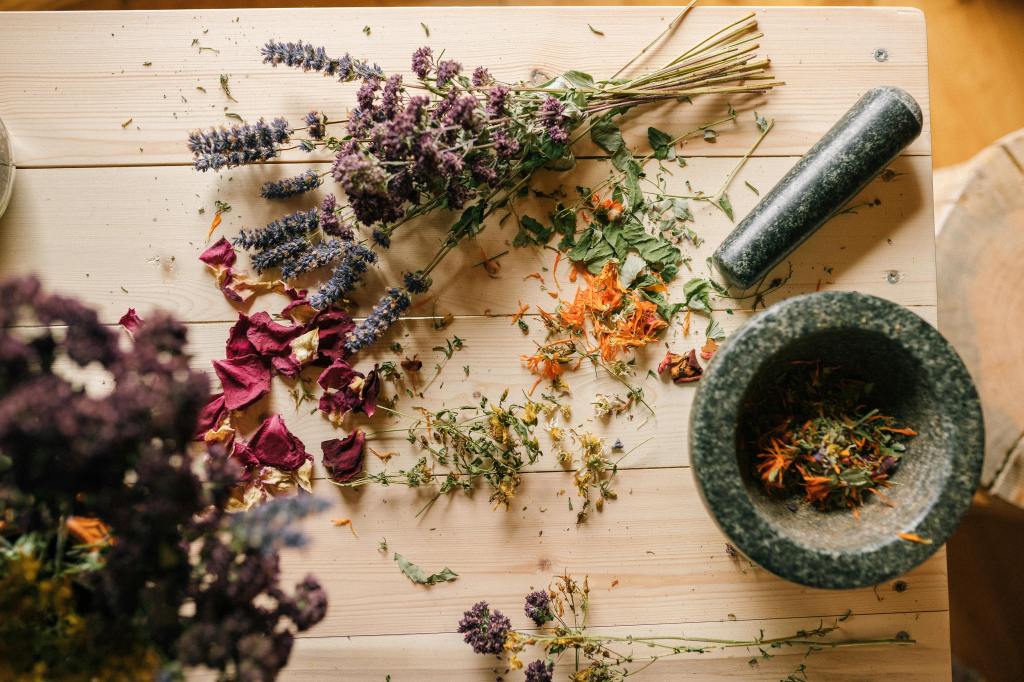
    1. Cloves are normally used to treat toothaches but they can be made into a cup of tea to relieve headaches. Cloves calm nerves thus, can be very beneficial in alleviating headaches. I have also read that using one or two tiny drops of clove oil can be mixed with coconut oil or almond oil to apply the forehead to relieve pain.
    2. Garlic can be used to relieve headaches regardless of which type you’re suffering from. The remedy is pretty easy: rinse the garlic, remove the outer layer, crush it, research suggests to boil the garlic but I would prefer to simmer it gently. This makes a garlic “tea”which can be sipped slowly to alleviate the pain.
    3. Ginger can be added to meals or made into a tea. It can also be used in powder form. A study in 2014 tested patients that suffered with migraines were separated into two groups; the 1st group took ginger powder the 2nd group took sumatriptan. The conclusion was that both groups had the same relief, however, it was noted that the patients who took ginger fared better, with less side effects. This is an interesting study to read because it clearly highlights the benefit of natural remedies in comparison to over the counter medicine. There is a link in the reference list below to the particular study if you would like to read further.
    4. Vitamin B2 or Riboflavin can be used for migraine prevention. According to The American Headache Society, it is possible that there is mitochondrial dysfunction in the brains of people who suffer from migraines frequently. B2 can regulate the imbalance. Magnesium and Coenzyme Q10 also known as CoQ10 can decrease the occurrence of migraines.
    5. If it’s low iron that’s causing your headaches, pure liquid iron can help. I have two examples to share.

    Example 1

    A much older friend of mine was prescribed strong iron supplements by her GP (Doctor). After she had taken the supplements for a while, the Doctor changed her prescription to a cheaper less stronger version which she didn’t want. I told her about the liquid iron supplements I take and why I stopped taking the prescribed iron. She decided to give it a try, it’s been over 5 years since she started taking the liquid iron. Needless to say she is more than happy with the pure liquid iron which she only needs to take once per day as opposed to taking the prescription supplements three times a day.

    Example 2

    I took my daughter to the paediatrician many years ago when she was about 6 years old. We were vegan at the time (not anymore). Her blood test results showed that her iron levels were low, I wasn’t surprised because I had low iron levels despite being on a carnivorous diet for a very long time. I informed the paediatrician that I didn’t want to give my daughter the prescribed iron supplements because they had unnecessary ingredients. I told her which liquid iron I was taking, she checked it online and was happy with it. She recommended the dosage to give using the liquid iron I was already using.

    Dehydration, Lack of Sleep and Stress

    Stay hydrated: Water consumption is ignored by a lot of us. Water is said to be the only liquid that cleans the blood. There is little to no evidence of juices and teas cleaning the blood. Kidneys use water to filter waste from the blood which is a very important function that removes toxins from the body through urine. A human body consists of 60 – 75% water depending on age and other factors such as body composition, thus, we should be drinking more of it.

    Sleep deprivation: If it’s lack of sleep that’s causing your headaches, it’s a pretty straight forward solution. Most people don’t seem to prioritise sleep or if you’re like me, you try to prioritise sleep but there is always something else to do before bedtime which can lead to sleepless nights. Is it worth feeling tired the next morning?I suppose it depends on why you’re staying up late but the likely answer is No!

    Most times when someone goes to bed late it affects their entire day and if it’s not fixed, it can become an unbreakable cycle which isn’t fun for you or your family. Sleep doesn’t sound like something we should think about setting a time for, we set a time for children but what about for us? It may sound silly but having a set time for bedtime really does help. Try and keep your phone away from your bedside table. Some people leave their phones downstairs while they sleep upstairs which is a very good idea but that might not be convenient for everyone. We’re so attached to our phones that the idea of leaving it downstairs could cause a restless night.

    I hope you have found this blog post helpful. I think it’s the longest post I have written so far.

    References

    https://pubmed.ncbi.nlm.nih.gov/23657930/#:~:text=Efficacy%20of%20ginger%20powder%20and,to%20continue%20did%20not%20differ.

    https://pmc.ncbi.nlm.nih.gov/articles/PMC7133498/

    https://en.wikipedia.org/wiki/Tension_headache

    http://www.womenshealthmag.com/health/a32252572/how-to-get-rid-headache-naturally/
  • 5 Ingredients to Look for Before Buying Supplements

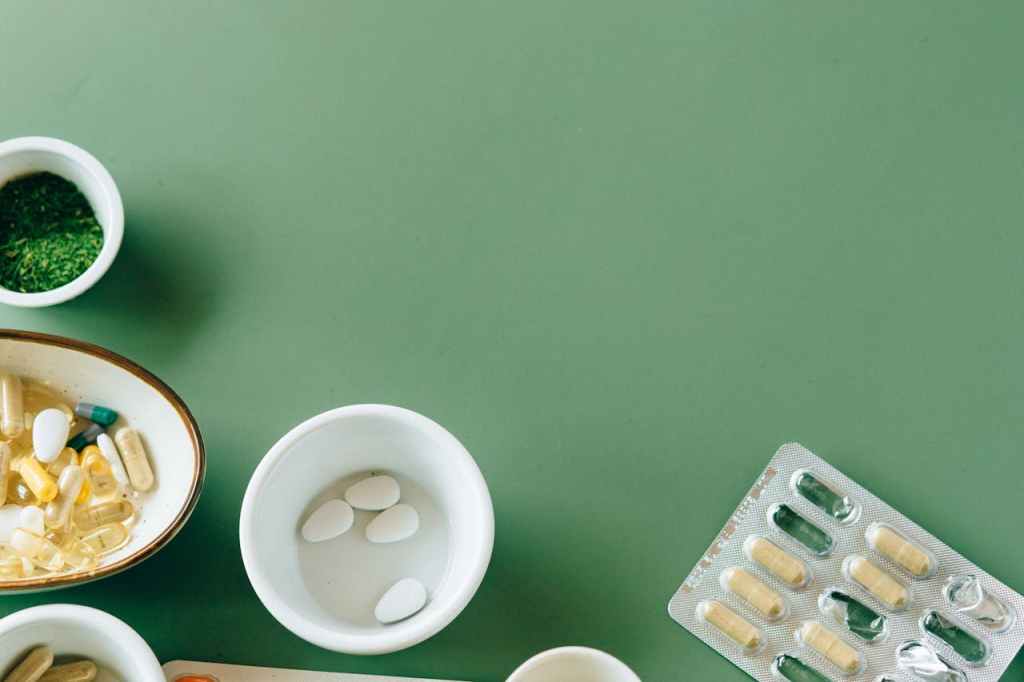
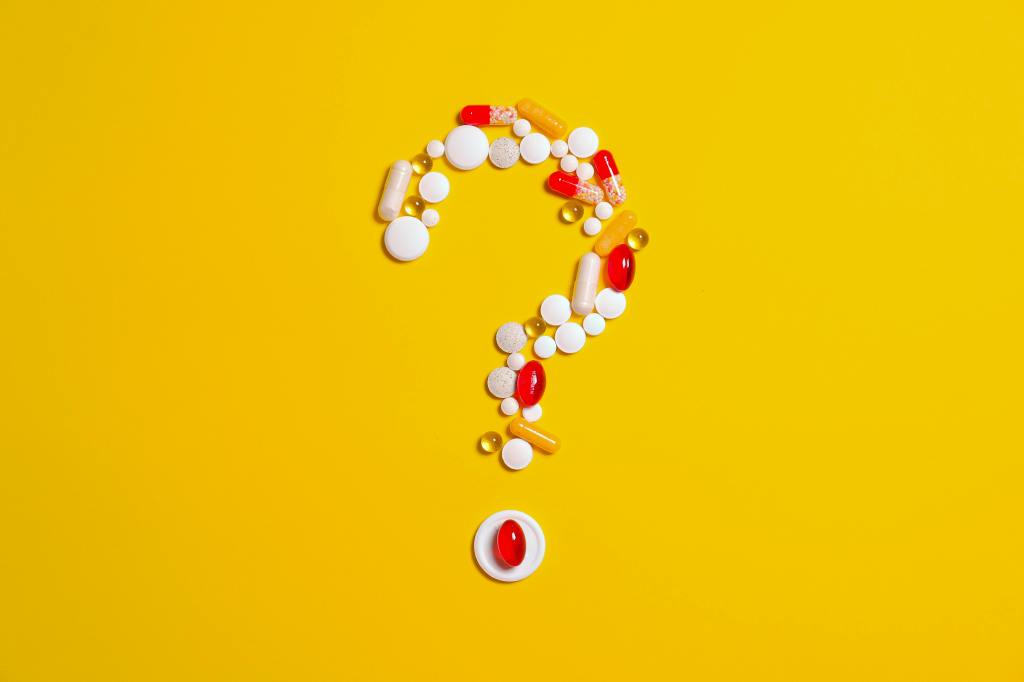
    I was speaking to my mother a couple of weeks ago. She is currently experiencing terrible back pain. As our phone conversation progressed she shared how she wants to use natural remedies for her ailments. The reason she wants to use natural treatments is because she is experiencing some side effects from pharmaceutical pain relief. I mentioned that she should try and avoid fillers, binders and other potentially toxic ingredients that can be found in many of the supplements.

    My daughter was in the room as we were having this conversation and while my Mum was listing which supplements she is taking, my daughter was to my surprise researching the ingredients of the supplements that her Grandma/Nana is taking. She whispered to me saying, the ingredients are terrible and can cause dangerous side effects or something along those lines. Anyway to cut a long story short, I informed my Mum of my daughter’s findings. My Mum quickly asked if her granddaughter could check if her other supplements had bad ingredients, it turned out that none of the supplements had clean ingredients.

    The next day, I asked my daughter if she had any ideas of which blog post I could write. She came up with the title of this blog and three of the ingredients to watch out for. I’m thankful that she did because lately I haven’t had time to think about topics or to write a blog. However, after seeing how much effort my daughter puts into researching various health topics, I was encouraged to get back to writing despite my busy schedule.

     Without further ado, here is the list;

    1. EDTA is mainly synthesised from ethylenediamine (1,2-diaminoethane), formaldehyde, and sodium cyanide. The fact that EDTA is synthesised from formaldehyde is enough to avoid anything containing it. Formaldehyde can cause cancer in humans, thus, it should be avoided. 
    1. Hydroxypropyl methyl cellulose or (HPMC; CAS No. 9004-65-3) is a synthetic version of the natural polymer cellulose. It is an odourless and tasteless powder. It is used by food manufacturers in food production as well as making capsule shells in vitamin production. HPMC is approved by FDA as both a direct and an indirect food additive, and is approved for use as a food additive by the EU. Despite its approval, the EU food watchdogs state that HPMC have side effects that cause disruption in the intestine by altering the bacteria in the gut. This could lead to chronic intestinal inflammation as well as increase blood sugar levels as a result of taking HPMC.
    1. Silicon dioxide, silica or E551 is made when silicon and oxygen are combined. There are two known forms of silica: crystalline and amorphous silica. The latter was used in a study discussed by European Food Safety Authority (EFSA) The studies examined the food additive E551 which showed results  that indicated the presence of nanoparticles. EFSA concluded that silica nanoparticles in food can be a concern due to lack of long-term studies. Basically nanoparticles can be bad news because they have the potential to be clumped together inside one’s body which can be detrimental.
    1. Titanium dioxide occurs naturally but that doesn’t mean that it’s safe. Studies have shown that it is a carcinogen and may cause DNA damage. For this reason the European Union has banned manufacturers from using it in food production. Despite the EU banning it, England and Wales are still currently authorising its use in food supplements, baked goods, sandwich spreads, medicines, cosmetics, soups, sauces etc. This sparked my interest because we live in England and sometimes when I pick up a product it states NOT FOR EU, I always wondered why, I think now I know why. I will do more research on this because this includes some organic products that we buy, which in my view should have natural good ingredients. Anyway, back to the main topic. It is also worth mentioning that some manufacturers use titanium dioxide in nanoparticle form which as mentioned above can cause health issues.
    1. Ferrous fumarate Iron is essential for oxygen transport, cell growth and survival. So I think it’s safe to say taking the right kind of supplement is important. The side effects for ferrous fumarate are stomach discomfort, losing appetite, abdominal pain and constipation which is likely caused by iron-induced oxidative stress which happens in the gut, this is stated by a study reviewed by Science Direct. I think it’s always worth knowing side effects of supplements, this can help with figuring out the root causes of certain symptoms. I took iron supplements prescribed by my doctor in my early twenties until my mid twenties. After the birth of my daughter, I discovered pure liquid iron from a very good company. It is a great substitute to the prescribed iron treatment which I took 3 times a day for a very long time to no avail. It’s also worth remembering that certain foods and drinks can affect iron absorption, such as tea, coffee and dairy products. 

    Of course each person is different so what works for me might not work for you. Please speak to your Doctor before switching or stopping any vitamins. This blog post is written to make people aware of what some of these ingredients can do to the body. Thankfully there are supplements that have clean ingredients. It might be worth contacting companies and asking them to consider manufacturing better quality vitamins.

    I hope you feel encouraged by the quotes below;

    A good laugh and a long sleep are the best cures in the doctor’s book.” – Irish proverb

    “It is not how much we have, but how much we enjoy, that makes happiness.” – Charles Spurgeon

    References:

    https://pubmed.ncbi.nlm.nih.gov/17723258/

    https://efsa.onlinelibrary.wiley.com/doi/10.2903/j.efsa.2018.5088

    https://www.nhs.uk/medicines/ferrous-fumarate/who-can-and-cannot-take-ferrous-fumarate/

    https://en.wikipedia.org/wiki/Ethylenediaminetetraacetic_acid#:~:text=oral%20dosing%20studies.-,Synthesis,%2C%20formaldehyde%2C%20and%20sodium%20cyanide.

    https://pmc.ncbi.nlm.nih.gov/articles/PMC3423755/

    https://ec.europa.eu/newsroom/sante/items/732079/en

    https://efsa.onlinelibrary.wiley.com/doi/10.2903/j.efsa.2018.5088

    https://pmc.ncbi.nlm.nih.gov/articles/PMC3354642/

    https://www.cancer.gov/about-cancer/causes-prevention/risk/substances/crystalline-silica

    https://bnfc.nice.org.uk/drugs/ferrous-fumarate/#side-effects

    https://www.cancer.org/cancer/risk-prevention/chemicals/formaldehyde.html

    https://food-detektiv.de/en/additives/?enummer=Hydroxypropyl%20methyl%20cellulose

    https://pmc.ncbi.nlm.nih.gov/articles/PMC3423755/

  • What Causes Kidney Disease?

    What causes kidney disease?

    This is a bit of a hot topic in our household. My view is that kidney disease is indirectly caused by excessive consumption of sugar and carbohydrates. My husband’s view is that it’s caused by too much protein.

    I recently suffered from kidney pain, which, of course, made me panic, but thankfully, I remembered what my mother says when there is an issue beyond our control; she says “let’s pray.” So I prayed, which calmed me down and gave me a feeling of peace about the situation.

    Due to all the above-mentioned, I decided to do a bit of research to find out what causes kidney disease and what can be done to alleviate the pain. I implemented some of my findings, which helped tremendously. I can confidently say that the pain subsided the first couple of days and is now completely gone (I will share what I did later on).

    Photo from Pexels.com

    What role do kidneys play in the body?

    The list below details some of the functions that kidneys play in the body;

    • Clean your blood
    • Keep your bones healthy
    • Maintain your blood pressure level
    • Remove toxins from your body as well as excess water
    • Balance important minerals in your body
    • Help make red blood cells

    As you can see from the list above these small bean shaped organs play a pivotal part in keeping us healthy. Kidneys can make a big difference in someone’s wellbeing as I learned recently. Thus, knowing and understanding how we can keep kidneys healthy is important.

    Is there a difference between kidney disease and chronic kidney disease (CKD)?

    According to Cleveland Clinic, kidney disease occurs when the kidneys are damaged and aren’t filtering blood, whereas in chronic kidney disease is a long-term condition where the damage happens over several years during which time the kidneys aren’t functioning as well as they should.

    Most studies state different causes of kidney disease but the most common ones are:

    • High blood pressure
    • Diabetes
    • Heart disease
    • Severe obesity
    • Family history of CKD
    • Smoking
    • Polycystic kidney disease
    • High cholesterol
    • Kidney infection
    • Glomerulonephritis (inflammation of the kidney)
    • Long -term, regular consumption of certain medicines

    There are 5 different stages of CKD, which I will discuss in a different blog post because there is so much to write about the stages and how different foods affect each stage. In this particular post, I really wanted to share what helped me so that not only do I have a record of it but in hopes that it might help someone.

    Natural Remedies for Kidney Pain

    What I’m about to share worked for me. It doesn’t by any means mean that it will work for you, but I highly recommend giving it a try, but first please consult your doctor especially if you take medication.

    I’m not an expert on the condition but I think it’s helpful to share what has worked for me because it’s thanks to the natural health experts I listen to that I was able to implement their advice.

    There only three steps to follow;

    1. Reduce your carb intake; if your kidneys are throbbing, completely stop eating carbs for at least two to three full days, depending on your pain levels. I didn’t have carbs for 3 full days before I re-introduced small amounts of homemade carbs, not processed carbs.
    2. Stop eating sugar for at least 3 full days, then you could gradually introduce a little bit of honey, about half a teaspoon, just to keep your cravings at bay.
    3. Drink plenty of water (more than usual).

    What triggered the Kidney pain?

    We went on a short break where I over indulged in both savoury and sweet baked goods. I’m by no means overweight. In fact, I think I could do with a bit more healthy fat, but this just goes to show that sometimes our outward appearance can be deceiving and fool us into thinking we are invincible (we’re not). What we eat does affect our health, so we need to take steps to help ourselves.

    In addition to quitting sugar and processed carbs, I mixed organic turmeric powder (1 heaped teaspoon full) mixed with half a cup of water and drank this for three days. I also chopped up tiny pieces of garlic to take as you would with capsules or tablets. The turmeric was to tackle the inflammation, the garlic was in case there was an infection. Garlic works as nature’s antibiotic. During this three-day cleanse, I made a warm clove drink twice a day because it’s my go-to for pain relief. Cloves are fantastic for pain relief. I also used a homemade castor oil compress, which I put on the kidney area for at least 6–8 hours each day. Castor oil draws out impurities from the body.

    It’s important to note that during that healing period I didn’t consume any sugar or processed carbs. However, after around day three, I treated myself to two biscuits, which is now my limit if I’m having an unhealthy treat.

    In case you’re wondering whether I actually got checked by my doctor, I had a full health check which came out fine. Albeit, I forgot to mention the kidneys because I wasn’t in pain. Needless to say, I will be making an appointment to verify if indeed there is a need to completely change my diet.

    The National Health Service (NHS) states that lifestyle changes can help you remain as healthy as possible and is the number one way to treat CKD. The other treatments like dialysis, kidney transplant and medicine to control associated problems are listed after. Basically before it’s too late, we need to look after our kidneys through dietary changes which is hard but definitely worth the effort.

    I hope this blog post has been useful. If so, please leave a comment on any tips you might have regarding kidneys. As previously mentioned, I will be writing another blog post about kidneys without my personal experiences included. I will also do some research on protein and the impact it has on the kidneys.

    To conclude this post, I will quote the National Kidney Foundation on whether sugar can cause kidney disease.

    “A high level of sugar in your blood can cause problems in many parts of your body, including your heart, kidneys, eyes, and brain. Over time, this can lead to kidney disease and kidney failure.”

    References

    https://www.niddk.nih.gov/health-information/kidney-disease/chronic-kidney-disease-ckd/causes

    https://www.kidney.org/kidney-topics/chronic-kidney-disease-ckd

    https://my.clevelandclinic.org/health/diseases/15096-chronic-kidney-disease

    https://www.niddk.nih.gov/health-information/kidney-disease/chronic-kidney-disease-ckd/eating-nutrition/nutrition-advanced-chronic-kidney-disease-adults#:~:text=What%20you%20eat%20and%20drink,some%20health%20problems%20from%20CKD.

    https://www.kidney.org/kidney-topics/diabetes-and-kidney-disease-stages-1-4#:~:text=A%20high%20level%20of%20sugar,two%20main%20types%20of%20diabetes.

  • Vitamin D, Vitamin K2 and Magnesium

    What is vitamin D?

    Vitamin D (calciferol) is a fat soluble vitamin that can be obtained from sunlight when it directly touches the skin. It doesn’t get absorbed when you’re indoors because of windows acting as barriers. Some people refer to vitamin D as the sunshine vitamin. However, it can also be found in certain foods or supplements. Foods such as salmon, sardines, mackerel, eggs, red meat and some fortified milks have vitamin D. First and foremost we should aim to obtain vitamin D from food and sunshine. In autumn and winter, supplementation should be considered, it’s advisable to speak to your doctor for advice regarding supplements.

    What is the function of vitamin D?

    The role of this important vitamin is to regulate calcium and phosphate in our bodies. Calcium can only be absorbed in the body when vitamin D is present. When the body is deficient in vitamin D, this can cause bone pain in adults and rickets in children. Vitamin D also regulates other cellular functions in the body. If you want to have strong bones, healthy teeth and muscles. Ensuring that you have sufficient vitamin D by incorporating it in your daily diet through food or sunshine should be a priority because it is such an essential nutrient.

    How does Vitamin K2 and Magnesium play a role?

    Vitamin D works well when two other vitamins are present. Your body needs Vitamin K2 and magnesium for bone metabolism; this means that the process of bone formation and bone resorption can be helped by both these vitamins. Thus, producing healthy bones. Vitamin K2 can improve the quality of bones and may aid in the reduction of fractures as well as enhance the effectiveness of vitamin D. Vitamin D advances the production of vitamin K-dependent proteins. The other key nutrient is magnesium. It plays a crucial role in muscle and bone health and has an influence on vitamin D by improving its metabolism. Basically, in some studies, it has been shown that the enzymes that synthesise and metabolise vitamin D are magnesium-dependent. Thus, because all the above-mentioned vitamins are needed for bone and muscle health, it is important to have the right amount of each. Below is the recommended daily dose for different age groups from the National Health Service (NHS).

    The NHS states that in autumn and winter vitamin D should be consumed in food. However, most people are unable to have sufficient levels of vitamin D from their diet alone, probably due to not eating the right foods as well as not having the adequate amounts needed to achieve the daily recommendations. Therefore, it is important to consider supplementation when the sun isn’t strong enough to make vitamin D in your skin. 

    Without further ado, the NHS recommends 10 micrograms of vitamin D a day for children over 4 years old and adults, babies and children under 4 years old 8.5 micrograms. Please see the link in the reference list for your own clarification and consult a doctor before taking any supplements. 

    How much Magnesium is needed?

    Magnesium is an essential mineral which can be obtained from food as well as supplements; the role of magnesium; the parathyroid glands produce hormones which are important for bone health. Magnesium helps these glands function properly, it also converts food into energy. In addition to this, magnesium helps maintain healthy nerves and muscles. The NHS states that too much consumption of magnesium can be harmful, so caution is advised. The recommended daily dose as per NHS guidelines are as follows;

    Ages 19-64

    Women need 270 mg of magnesium per day while men need 300mg per day. 

    Ages 18 and under

    According to the NHS children don’t need magnesium supplementation because they can get it from food, so if you’re worried about low magnesium levels, speak to a doctor as well as find clever ways of incorporating magnesium-rich foods into children’s diets. 

    Aim to get all your magnesium from your food: fruit (bananas, dried apricots, etc.), nuts (almonds, cashews and Brazil nuts), dark green leafy vegetables (spinach, chard, avocados, etc.).

    References

    https://ods.od.nih.gov/factsheets/VitaminD-HealthProfessional/

    https://www.nhs.uk/conditions/vitamins-and-minerals/vitamin-d/#:~:text=Vitamin%20D%20helps%20regulate%20the,condition%20called%20osteomalacia%20in%20adults.

    https://pmc.ncbi.nlm.nih.gov/articles/PMC5613455/

    https://link.springer.com/referenceworkentry/10.1007/978-3-030-57401-7_31

    https://www.londonosteoporosisclinic.com/what-happens-to-bones-as-we-age/

    https://www.urmc.rochester.edu/childrens-hospital/nutrition/magnesium-foods

    https://childrenshealthsurrey.nhs.uk/services/sleep/sleep-food-and-drink#:~:text=Children%20do%20not%20need%20any,them%20to%20children%20under%205.

  • Inspiring Healthy Eating Habits

    Not often do we think of eating as something that is learned, when babies are born mothers’ or whoever is the main carer of the baby teach that baby how to eat, what to eat and what not to eat. As babies get older they tend to start being picky, they have learned that they can say no. If we think of eating as something we have learned to do then it might make it easier for us to change our attitudes towards food and how we consume it. It’s never too late to introduce new eating habits; when we eat, what we eat, how much we eat are all things we can adjust. Granted it’s not easy, that’s why we should take baby steps (pun not intended).

    How do we acquire food preferences?

    The decision of what we eat is made for us by our parents or guardians, sometimes the food is chosen wisely and at other times it isn’t. We all know that vegetables are good for us and thankfully there are plenty of vegetables to pick from but one of the mistakes that parents make is letting a toddler decide what he or she wants to eat. If the child has been introduced to sugar, bad fat and too much table salt then their taste buds will eventually adapt to that processed taste and consequently lead them to expecting all food to taste artificial.

    Let me give an example; I know a couple who are obese. The father disclosed to me that their son is a fussy eater and will only eat certain chicken nuggets and chips, nothing else. How did this toddler know of chicken nuggets and chips? This is obviously food that the parents eat on a regular basis, thus, their toddler has now developed a unique food preference.

    Another good example is when some parents decide to blend broccoli as a genius way to disguise vegetables, but unfortunately as clever as that sounds, in the long run, it’s not going to help that child because he or she never learned the true taste and texture of broccoli.

    When my daughter was 5 months old, I was very blessed to have a health visitor explain to me what I should and shouldn’t feed my daughter. She brought along a small bag of sugar about 100 grams (3.5 ounces), she told me that the so-called baby drinks had that much sugar in them. Needless to say that I never bought any of those baby drinks. I was taught about finger foods, healthy eating which included soft broccoli, carrot, bananas, courgettes, etc.

    I implemented that sound advice. I taught my daughter to eat healthy food. She was used to all sorts of vegetables and loved them so much that she would eat kale out of a veggie delivery box before I got the chance to wash it. Though this changed temporarily when she reached the age of 6 or 7, she started being picky with the very vegetables she used to love. As I’m writing this blog post, I realise that coincidentally that’s around the same time I introduced her to eating “treats,” perhaps she started to prefer the processed packaged foods because of the addictive sugar and other synthetic ingredients. I was very firm and told her that I wouldn’t give her any shop-bought “treats” unless she ate her healthy vegetables and proper food. To this day, even though she is nearly thirteen years old I still stand by that principle. Parents need to be parents and children need to be children.

    As adults, healthy eating can be hard regardless of our upbringing, sometimes we just want that easy processed food, who wouldn’t after a long stressful day. Unfortunately stressful days come more often than people can handle. Thus, eating unhealthily is an easier option but it has long term consequences.

    If you’re interested in learning how to make better choices when it comes to healthy eating, then please read my next blog post which will cover tips on how to implement healthy habits without feeling like you’re restricting yourself.

    I hope you enjoyed reading this post, please share with friends or family who might find it useful.

  • How to improve your eating habits

    Eating healthy can sometimes seem challenging especially if you’re trying to change your whole diet. It’s better to start by reducing the amount of sugar that you consume as opposed to cutting it out completely. Sugar is addictive and believe me I have tried to cut sugar out from my husband’s diet completely and after a week he literally went crazy. I quickly gave in and let him have as much sugar as he wanted. In hindsight I should have encouraged him to reduce his intake of sugar as opposed to completely removing it.

    When it comes to eating in general, we have been told that eating too much fat is bad, on the contrary, eating good fat is very healthy and it can help those who want to lose weight. I was vegan for 9 years, and in that time (after the initial 3 years of being vegan) I weighed more than I do now after going back to being an omnivore, so what changed? Well being on a vegan diet you consume a lot of carbs in the form of rice, potatoes, bread, vegan meat (which has a lot of wheat), pasta etc. Therefore, as vegans we relied more on the carbs to keep us full in comparison to after switching back to eating animal products we eat more meat, fish, eggs etc, which makes us stay fuller for longer (I know understand why my Mum would say”you get hungry often because you don’t eat animal products” at the time I thought what a bizarre thing to say but now I completely understand what she meant! Eating more good fats means that we rarely snack on sugar laden treats, or carbs for snacks in between meals.

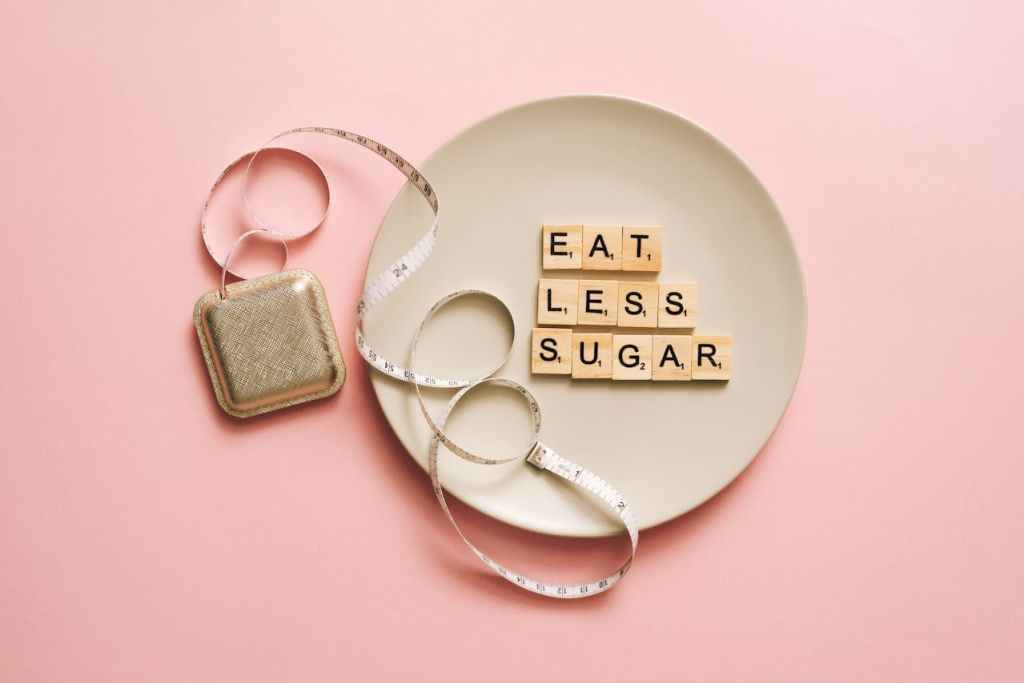
    Thus, reducing carbohydrates and sugar should be on top of the list, but it has to be done slowly. For example, if you’re having porridge for breakfast, instead of having two tablespoons of sugar or honey, add 1 tablespoon instead. Then add almond butter and a bit of cream which has low naturally occurring sugars that way, you don’t miss the extra tablespoon of sugar that much. Then after a week or so try having the porridge with no sugar at all, you will find that oats have a natural sweetness to them and don’t need sugar at all.

    The key here is to be open to changing your previously learned eating habits and focusing on learning new ways of looking at food, look at it as fuel for the body. At first new meals can be hard to to keep up with so give yourself a treat once a week where you can make yourself a cake which will have less sugar and carbs than your shop bought one, add more eggs and less flour, use honey instead of sugar but don’t use too much, use half of what the recipe calls for. Eventually switch to homemade stevia instead of honey (I will write a blog post about this soon).

    These steps will help you improve your overall eating habits, eat more good fats; avocados, beef, salmon, nitrite free bacon, chicken, lamb, eggs etc. Include lots more low sugar vegetables like cabbage, broccoli, cauliflower, brussel sprouts as well as some salads.

    If you eat two bars of chocolate a day, try to cut down to 1 bar and eventually have it as a treat once a week, better yet cut it out completely and keep it for special occasions but do this over a period of time, depending on what your health goals are!

    Quick Takeaways:

    • Reducing sugar is important, the ultimate goal is to stop consuming sugar altogether but this has to be implemented gradually.
    • Don’t stress over it, take baby steps, if on some days you don’t do as well as you would have liked to; don’t give up, continue trying and improving, it will work eventually!
    • Think of food as fuel for your body, what you put in, will be what gives you good health or bad health.
    • Focus on switching out carbs and sugar for healthier choices, by reducing the quantity and slowly replacing it with healthier options
    • Plan ahead, search for recipes a few days before so that you have the good ingredients ready.