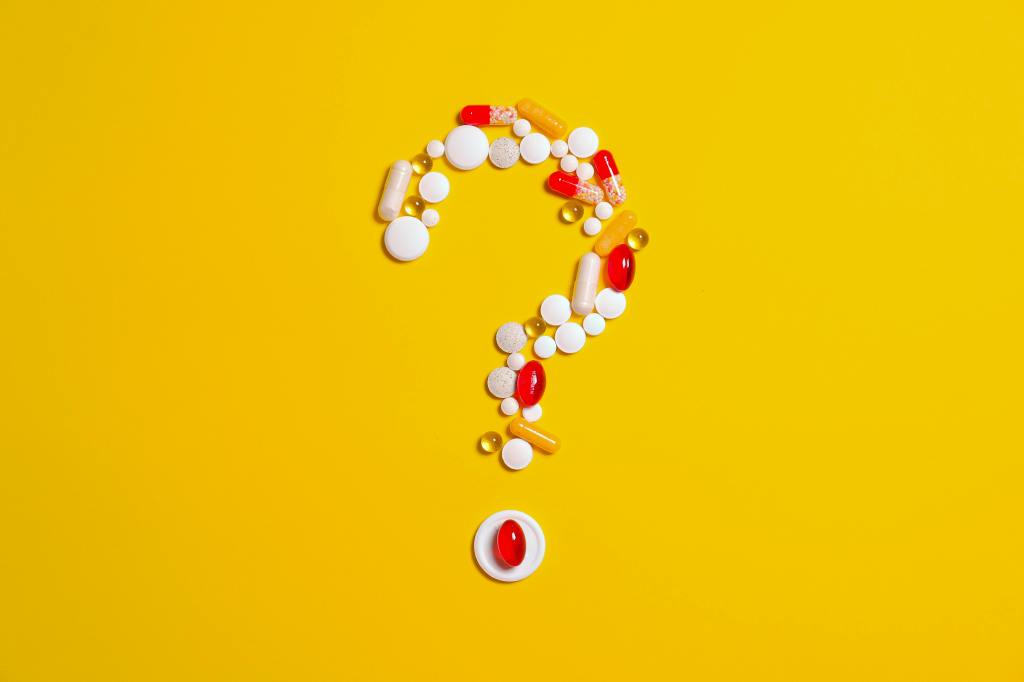
I was speaking to my mother a couple of weeks ago. She is currently experiencing terrible back pain. As our phone conversation progressed she shared how she wants to use natural remedies for her ailments. The reason she wants to use natural treatments is because she is experiencing some side effects from pharmaceutical pain relief. I mentioned that she should try and avoid fillers, binders and other potentially toxic ingredients that can be found in many of the supplements.
My daughter was in the room as we were having this conversation and while my Mum was listing which supplements she is taking, my daughter was to my surprise researching the ingredients of the supplements that her Grandma/Nana is taking. She whispered to me saying, the ingredients are terrible and can cause dangerous side effects or something along those lines. Anyway to cut a long story short, I informed my Mum of my daughter’s findings. My Mum quickly asked if her granddaughter could check if her other supplements had bad ingredients, it turned out that none of the supplements had clean ingredients.
The next day, I asked my daughter if she had any ideas of which blog post I could write. She came up with the title of this blog and three of the ingredients to watch out for. I’m thankful that she did because lately I haven’t had time to think about topics or to write a blog. However, after seeing how much effort my daughter puts into researching various health topics, I was encouraged to get back to writing despite my busy schedule.
Without further ado, here is the list;
- EDTA is mainly synthesised from ethylenediamine (1,2-diaminoethane), formaldehyde, and sodium cyanide. The fact that EDTA is synthesised from formaldehyde is enough to avoid anything containing it. Formaldehyde can cause cancer in humans, thus, it should be avoided.
- Hydroxypropyl methyl cellulose or (HPMC; CAS No. 9004-65-3) is a synthetic version of the natural polymer cellulose. It is an odourless and tasteless powder. It is used by food manufacturers in food production as well as making capsule shells in vitamin production. HPMC is approved by FDA as both a direct and an indirect food additive, and is approved for use as a food additive by the EU. Despite its approval, the EU food watchdogs state that HPMC have side effects that cause disruption in the intestine by altering the bacteria in the gut. This could lead to chronic intestinal inflammation as well as increase blood sugar levels as a result of taking HPMC.
- Silicon dioxide, silica or E551 is made when silicon and oxygen are combined. There are two known forms of silica: crystalline and amorphous silica. The latter was used in a study discussed by European Food Safety Authority (EFSA) The studies examined the food additive E551 which showed results that indicated the presence of nanoparticles. EFSA concluded that silica nanoparticles in food can be a concern due to lack of long-term studies. Basically nanoparticles can be bad news because they have the potential to be clumped together inside one’s body which can be detrimental.
- Titanium dioxide occurs naturally but that doesn’t mean that it’s safe. Studies have shown that it is a carcinogen and may cause DNA damage. For this reason the European Union has banned manufacturers from using it in food production. Despite the EU banning it, England and Wales are still currently authorising its use in food supplements, baked goods, sandwich spreads, medicines, cosmetics, soups, sauces etc. This sparked my interest because we live in England and sometimes when I pick up a product it states NOT FOR EU, I always wondered why, I think now I know why. I will do more research on this because this includes some organic products that we buy, which in my view should have natural good ingredients. Anyway, back to the main topic. It is also worth mentioning that some manufacturers use titanium dioxide in nanoparticle form which as mentioned above can cause health issues.
- Ferrous fumarate Iron is essential for oxygen transport, cell growth and survival. So I think it’s safe to say taking the right kind of supplement is important. The side effects for ferrous fumarate are stomach discomfort, losing appetite, abdominal pain and constipation which is likely caused by iron-induced oxidative stress which happens in the gut, this is stated by a study reviewed by Science Direct. I think it’s always worth knowing side effects of supplements, this can help with figuring out the root causes of certain symptoms. I took iron supplements prescribed by my doctor in my early twenties until my mid twenties. After the birth of my daughter, I discovered pure liquid iron from a very good company. It is a great substitute to the prescribed iron treatment which I took 3 times a day for a very long time to no avail. It’s also worth remembering that certain foods and drinks can affect iron absorption, such as tea, coffee and dairy products.
Of course each person is different so what works for me might not work for you. Please speak to your Doctor before switching or stopping any vitamins. This blog post is written to make people aware of what some of these ingredients can do to the body. Thankfully there are supplements that have clean ingredients. It might be worth contacting companies and asking them to consider manufacturing better quality vitamins.
I hope you feel encouraged by the quotes below;
“A good laugh and a long sleep are the best cures in the doctor’s book.” – Irish proverb
“It is not how much we have, but how much we enjoy, that makes happiness.” – Charles Spurgeon
References:
https://pubmed.ncbi.nlm.nih.gov/17723258/
https://efsa.onlinelibrary.wiley.com/doi/10.2903/j.efsa.2018.5088
https://www.nhs.uk/medicines/ferrous-fumarate/who-can-and-cannot-take-ferrous-fumarate/
https://pmc.ncbi.nlm.nih.gov/articles/PMC3423755/
https://ec.europa.eu/newsroom/sante/items/732079/en
https://efsa.onlinelibrary.wiley.com/doi/10.2903/j.efsa.2018.5088
https://pmc.ncbi.nlm.nih.gov/articles/PMC3354642/
https://www.cancer.gov/about-cancer/causes-prevention/risk/substances/crystalline-silica
https://bnfc.nice.org.uk/drugs/ferrous-fumarate/#side-effects
https://www.cancer.org/cancer/risk-prevention/chemicals/formaldehyde.html
https://food-detektiv.de/en/additives/?enummer=Hydroxypropyl%20methyl%20cellulose
 Wellbeing Corner
Leave a comment