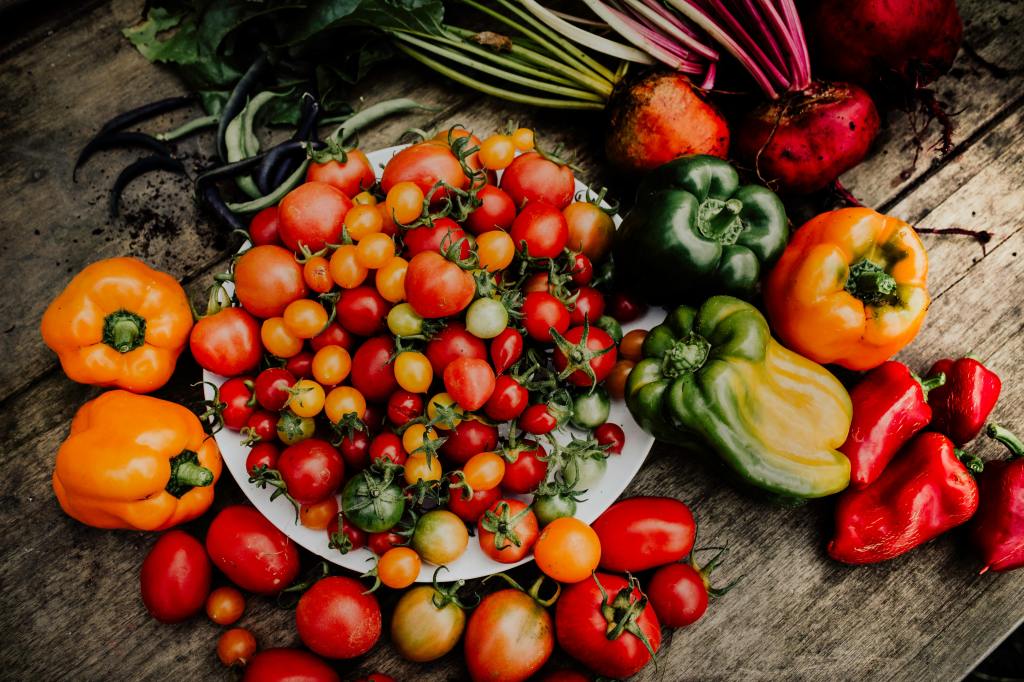
Not often do we think of eating as something that is learned, when babies are born mothers’ or whoever is the main carer of the baby teach that baby how to eat, what to eat and what not to eat. As babies get older they tend to start being picky, they have learned that they can say no. If we think of eating as something we have learned to do then it might make it easier for us to change our attitudes towards food and how we consume it. It’s never too late to introduce new eating habits; when we eat, what we eat, how much we eat are all things we can adjust. Granted it’s not easy, that’s why we should take baby steps (pun not intended).
How do we acquire food preferences?
The decision of what we eat is made for us by our parents or guardians, sometimes the food is chosen wisely and at other times it isn’t. We all know that vegetables are good for us and thankfully there are plenty of vegetables to pick from but one of the mistakes that parents make is letting a toddler decide what he or she wants to eat. If the child has been introduced to sugar, bad fat and too much table salt then their taste buds will eventually adapt to that processed taste and consequently lead them to expecting all food to taste artificial.
Let me give an example; I know a couple who are obese. The father disclosed to me that their son is a fussy eater and will only eat certain chicken nuggets and chips, nothing else. How did this toddler know of chicken nuggets and chips? This is obviously food that the parents eat on a regular basis, thus, their toddler has now developed a unique food preference.
Another good example is when some parents decide to blend broccoli as a genius way to disguise vegetables, but unfortunately as clever as that sounds, in the long run, it’s not going to help that child because he or she never learned the true taste and texture of broccoli.
When my daughter was 5 months old, I was very blessed to have a health visitor explain to me what I should and shouldn’t feed my daughter. She brought along a small bag of sugar about 100 grams (3.5 ounces), she told me that the so-called baby drinks had that much sugar in them. Needless to say that I never bought any of those baby drinks. I was taught about finger foods, healthy eating which included soft broccoli, carrot, bananas, courgettes, etc.
I implemented that sound advice. I taught my daughter to eat healthy food. She was used to all sorts of vegetables and loved them so much that she would eat kale out of a veggie delivery box before I got the chance to wash it. Though this changed temporarily when she reached the age of 6 or 7, she started being picky with the very vegetables she used to love. As I’m writing this blog post, I realise that coincidentally that’s around the same time I introduced her to eating “treats,” perhaps she started to prefer the processed packaged foods because of the addictive sugar and other synthetic ingredients. I was very firm and told her that I wouldn’t give her any shop-bought “treats” unless she ate her healthy vegetables and proper food. To this day, even though she is nearly thirteen years old I still stand by that principle. Parents need to be parents and children need to be children.
As adults, healthy eating can be hard regardless of our upbringing, sometimes we just want that easy processed food, who wouldn’t after a long stressful day. Unfortunately stressful days come more often than people can handle. Thus, eating unhealthily is an easier option but it has long term consequences.
If you’re interested in learning how to make better choices when it comes to healthy eating, then please read my next blog post which will cover tips on how to implement healthy habits without feeling like you’re restricting yourself.
I hope you enjoyed reading this post, please share with friends or family who might find it useful.
 Wellbeing Corner
Leave a comment